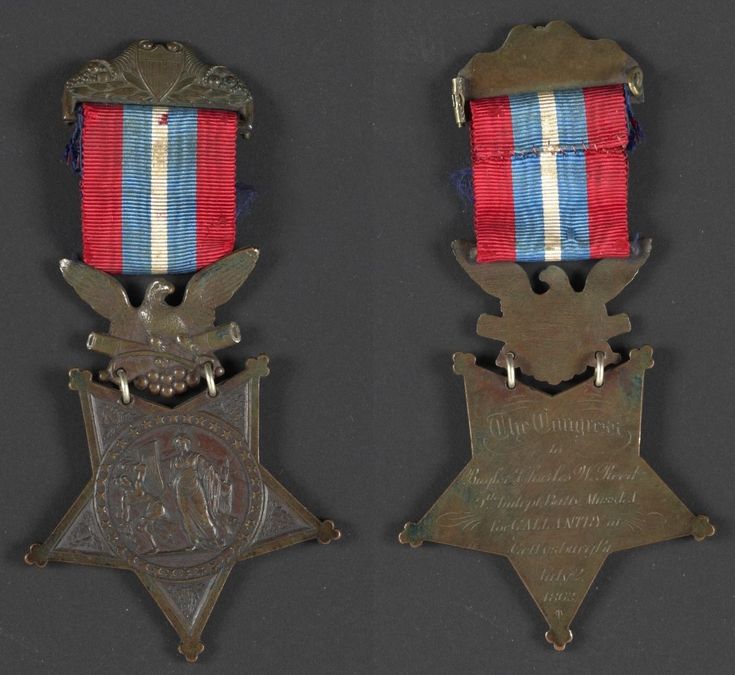
Forged in Fire: The Medal of Honor Was Born in the Civil War
In the bloodiest conflict in American history, Congress and President Abraham Lincoln created something the nation had never had before: a medal that could be earned by ordinary soldiers and sailors for extraordinary courage.
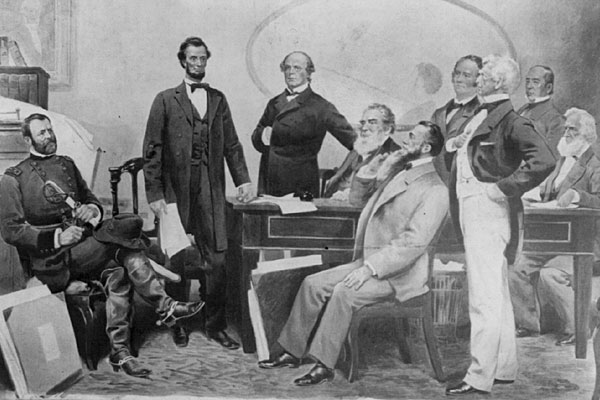
On December 21, 1861, Lincoln signed the law establishing the Navy’s Medal of Honor for enlisted seamen and Marines who distinguished themselves by “gallantry in action and other seamanlike qualities.” Seven months later, on July 12, 1862, a similar medal was authorized for the Army—for noncommissioned officers and privates who most distinguished themselves by “gallantry in action and other soldier-like qualities.” The following year it was made permanent and opened to officers as well.
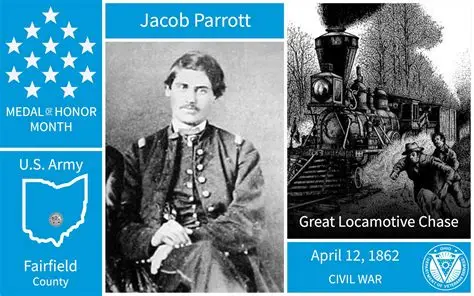
The first medals were presented on March 25, 1863, to survivors of Andrews’ Raiders—the daring group that stole a Confederate locomotive in the Great Locomotive Chase. Private Jacob Parrott became the first man ever to receive the Medal of Honor. From that moment, the award became a living testament to the valor of the Union forces.
Why It Mattered So Deeply to Civil War Soldiers
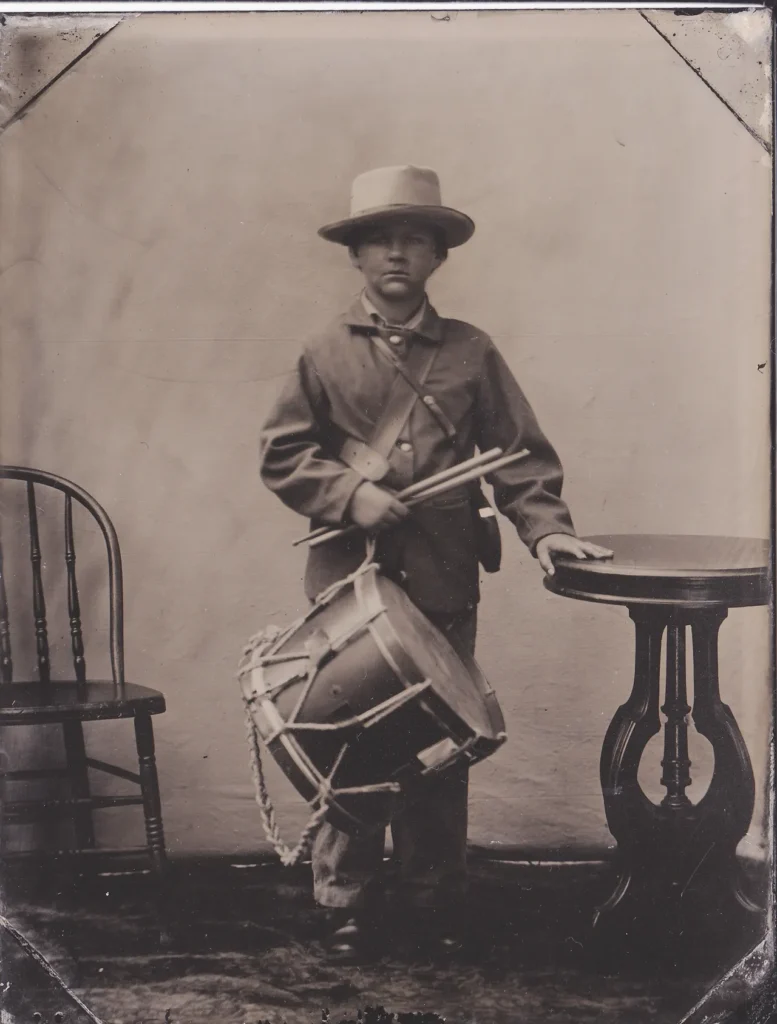
The Civil War was a war of mass armies, industrial slaughter, and unprecedented casualties. For most of history, formal decorations had been reserved for officers. The Medal of Honor changed that. It told the common soldier—the farmer, the immigrant, the free Black volunteer, the teenage drummer boy—that his individual act of bravery could be seen, named, and remembered by the nation.
More than 1,500 Medals of Honor were ultimately awarded for actions during the Civil War, far more than for any other American conflict. These awards recognized men who charged enemy lines under withering fire, rescued wounded comrades while bullets flew, captured or saved regimental flags (a sacred and deadly duty), and performed countless other feats of self-sacrifice. Among the recipients were:
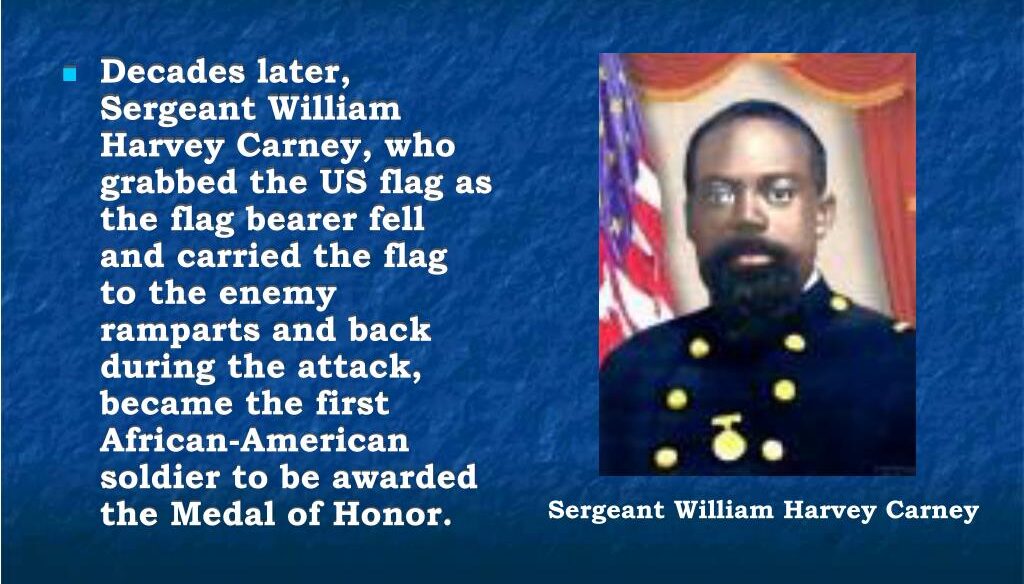
- African American soldiers such as Sgt. William H. Carney of the 54th Massachusetts, who kept the flag flying at Fort Wagner despite multiple wounds.
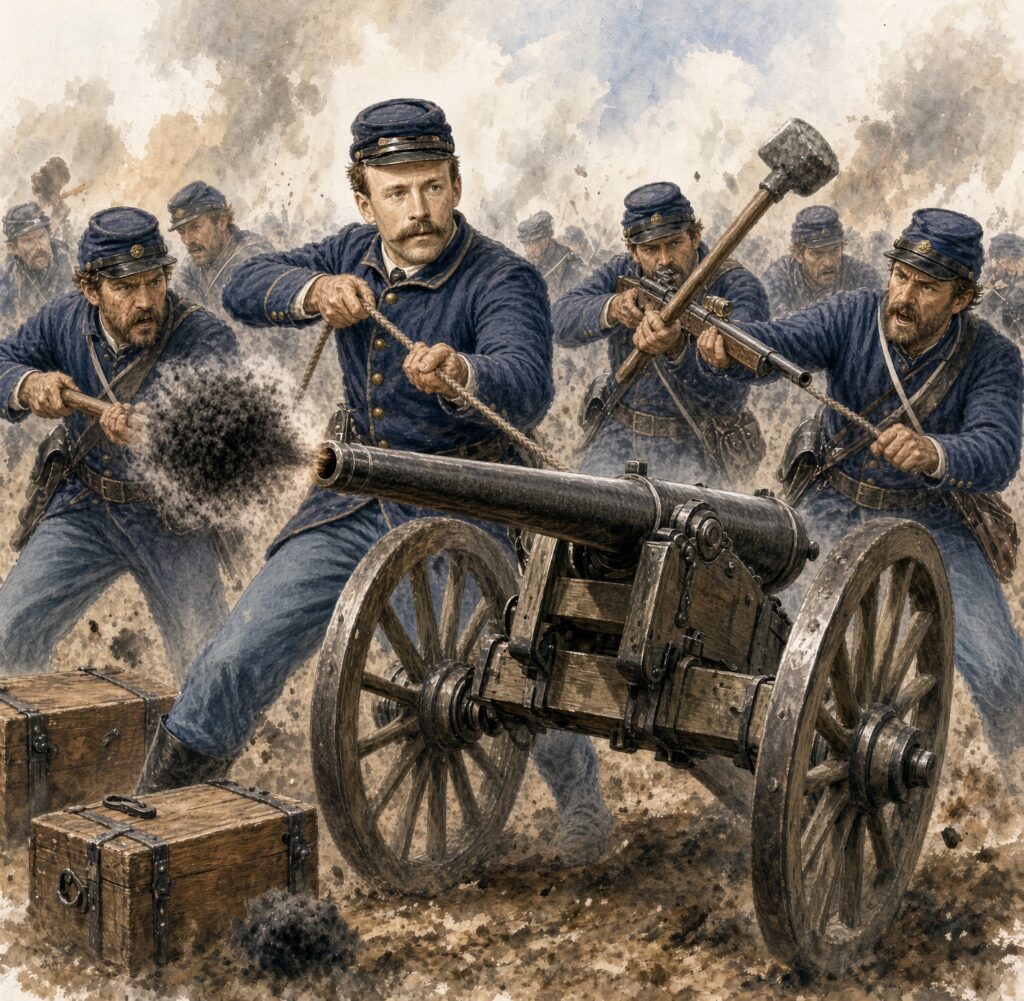
- Marines like Cpl. John F. Mackie, the first Marine recipient, who manned a gun aboard the USS Galena at Drewry’s Bluff.
- And Dr. Mary Edwards Walker, the only woman ever awarded the Medal of Honor, recognized for her service as a contract surgeon who repeatedly risked capture to treat the wounded.
For many veterans, the medal arrived years or even decades later—sometimes long after the war’s glory had faded into the hard realities of Reconstruction and old age. When it finally came, it offered more than a decoration. It offered official recognition that their sacrifice had not been forgotten. It told their families, their communities, and history itself that these men had stood above the call of duty when the nation was tearing itself apart.
Today the Medal of Honor remains America’s highest military decoration. But its origins lie squarely in the Civil War—born from the need to inspire and honor the citizen-soldiers who fought to preserve the Union and, ultimately, to end slavery.
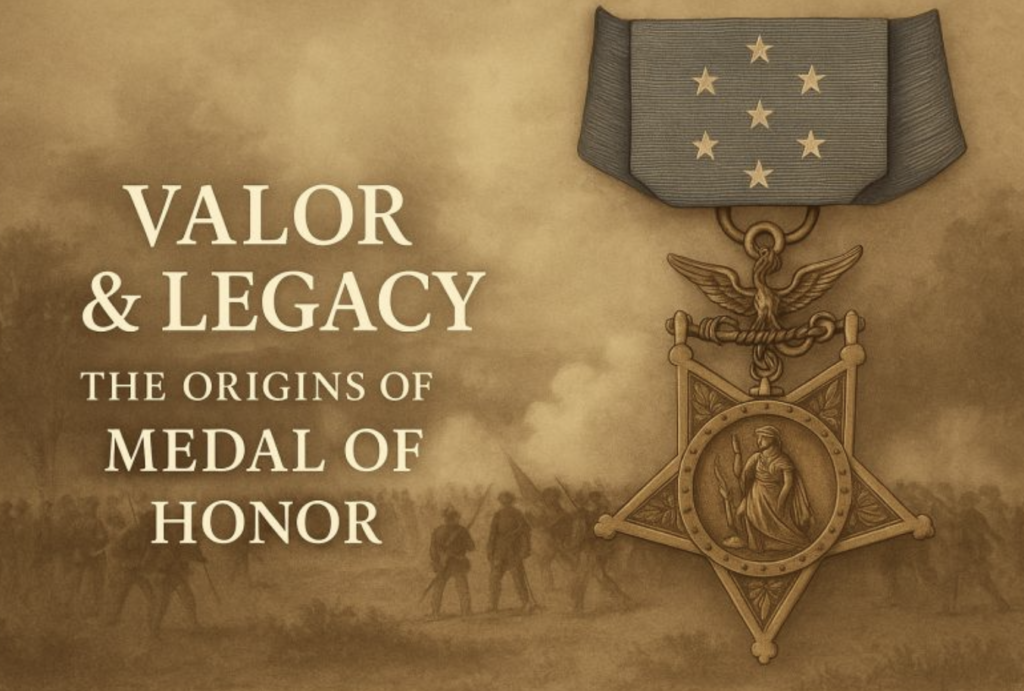
Every time the medal is awarded, it carries forward the memory of those first recipients and the countless others who proved that ordinary men are capable of extraordinary courage when the stakes are highest.
The Medal of Honor is not just a piece of metal and ribbon. It is the Civil War’s enduring promise: that valor will be remembered.